
Wall panels do not switch mains loads
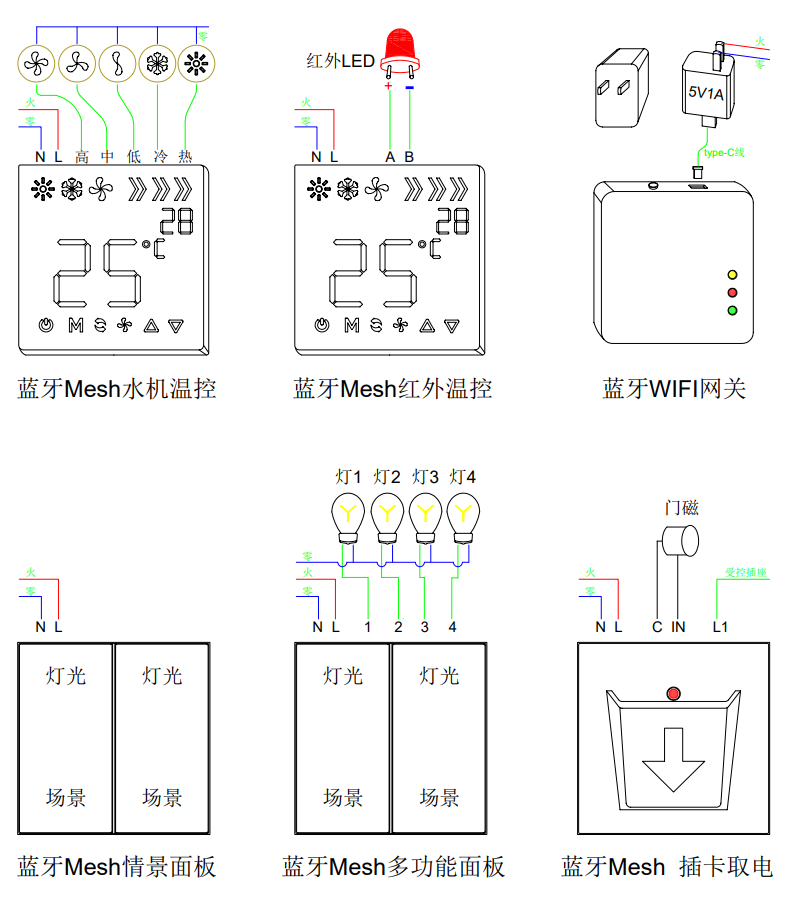
Our bus-powered wall panels carry signal and bus power; the load itself is switched by a relay or dimmer module in the low-voltage enclosure. The number of panel gangs decides how many scene keys you can map, and each key must match the room scene table one to one. Leave spare keys unmapped rather than pointing them at a mains circuit.
- 2-gang / 4-key and 3-gang / 3-key panels suit a conventional "light + light + scene" room.
- Independent HVAC or curtain control needs dedicated keys or an expansion panel.
- Touch and mechanical keys differ in always-on backlight draw — calculate it across a full night, not per device.
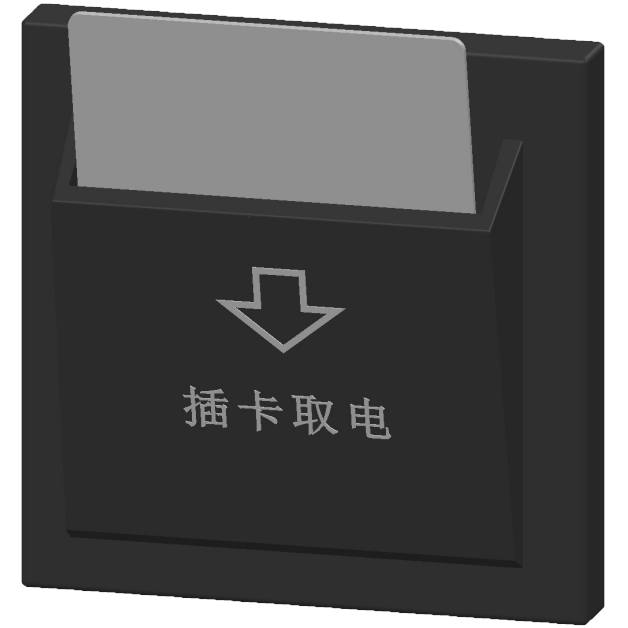
Card power vs cardless occupancy
A card-power panel identifies the guest by card; a cardless panel combines a PIR sensor with a door contact to infer occupancy. The power sequence matters: dropping the room supply must be coordinated with HVAC and lighting, otherwise guests see a lamp flicker at the moment of departure. Size the switch contact for the maximum circuit current and allow for overcurrent protection.
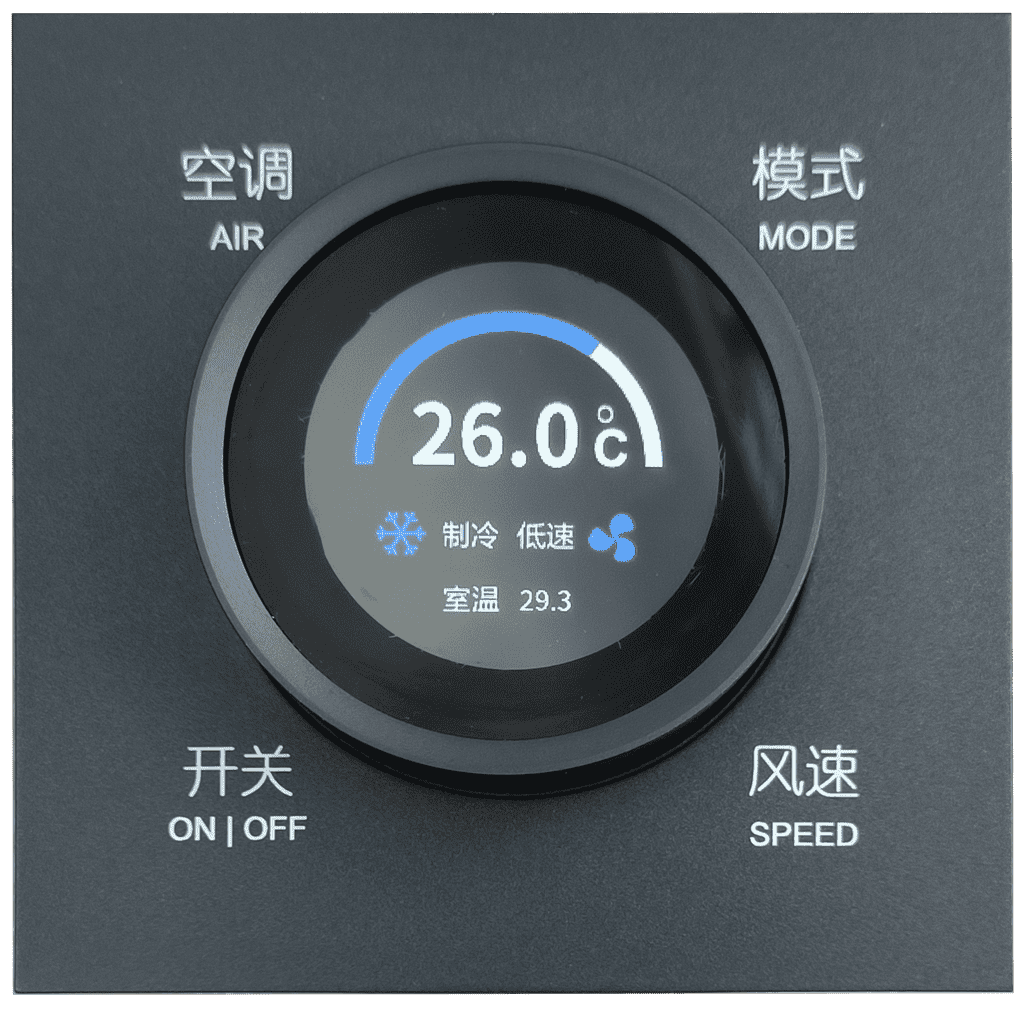
Thermostats: fan coil, floor heating, and the knob
Fan-coil control uses relays or HVAC dry contacts; floor heating drives a valve actuator — different circuit types that should not be drawn as one. Thermostats are commonly 24 V supplied, so keep that supply separate from the panel supply. Always leave a deadband between upper and lower set-points or the fan and valve will short-cycle.
The knob thermostat is a deliberate exception to cloud dependence: it adjusts temperature locally and keeps working during a network outage, but it cannot report to the room service centre. Before pairing one with a fan-coil module, confirm whether its output is a relay or 0-10 V — the wiring is not the same.
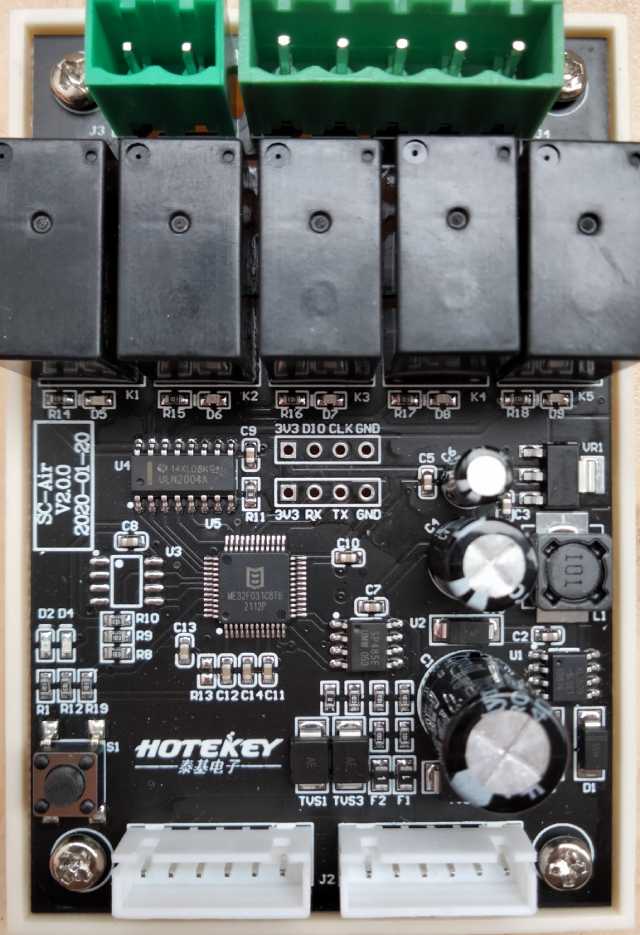
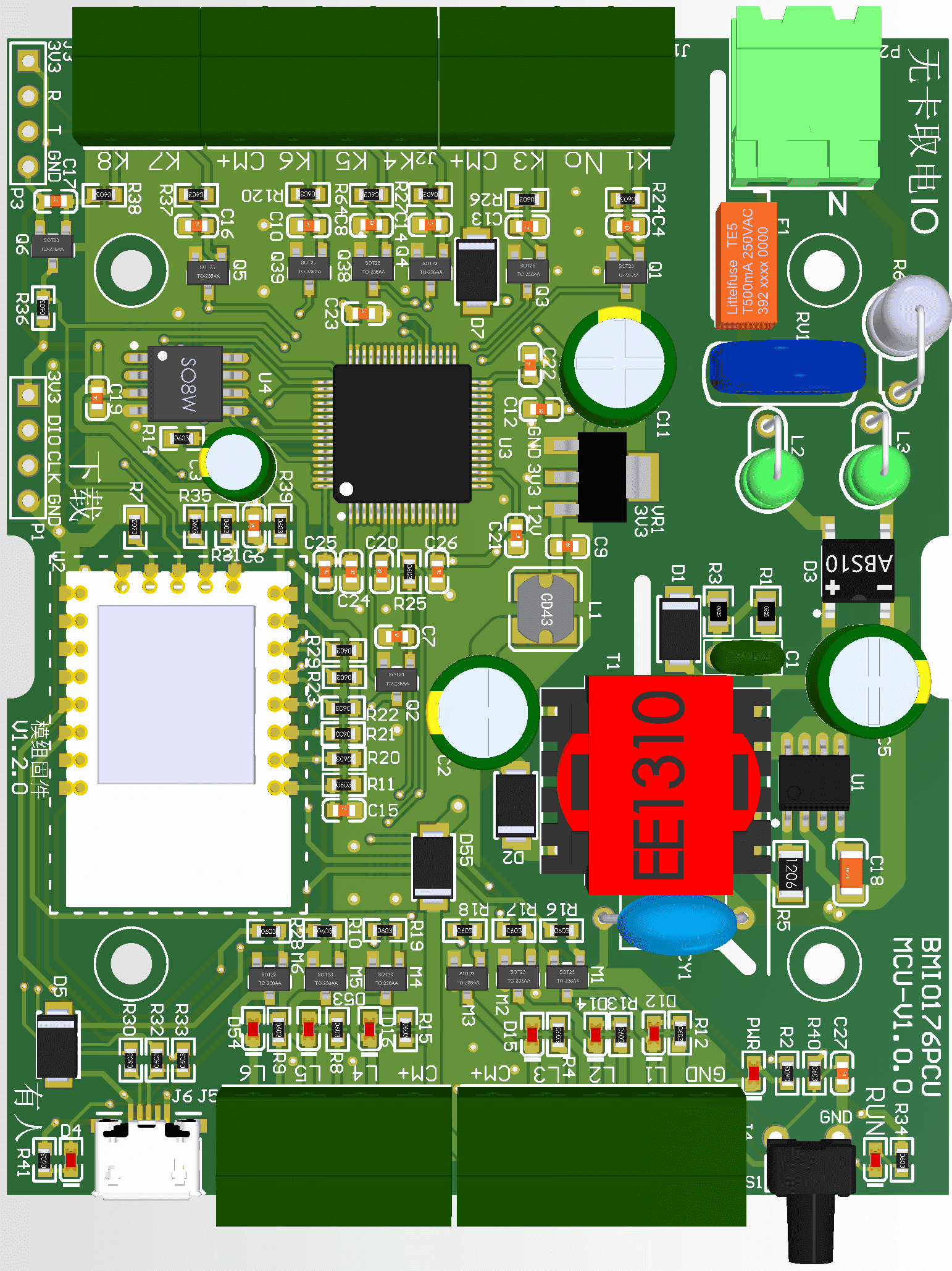
Relay modules and motor loads
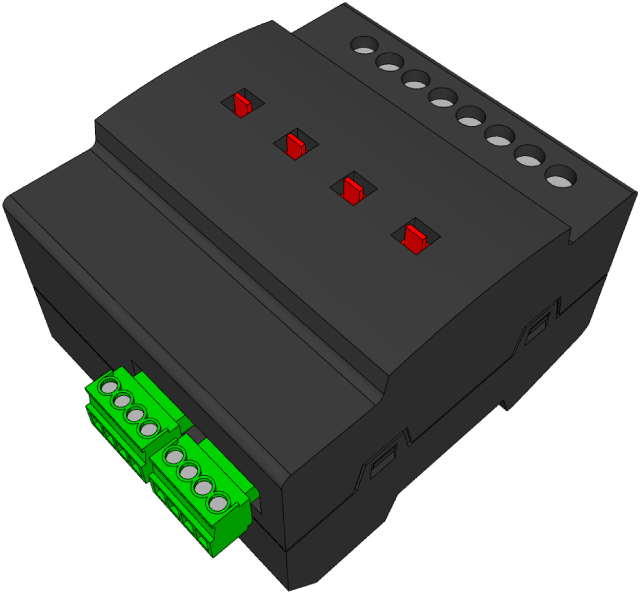
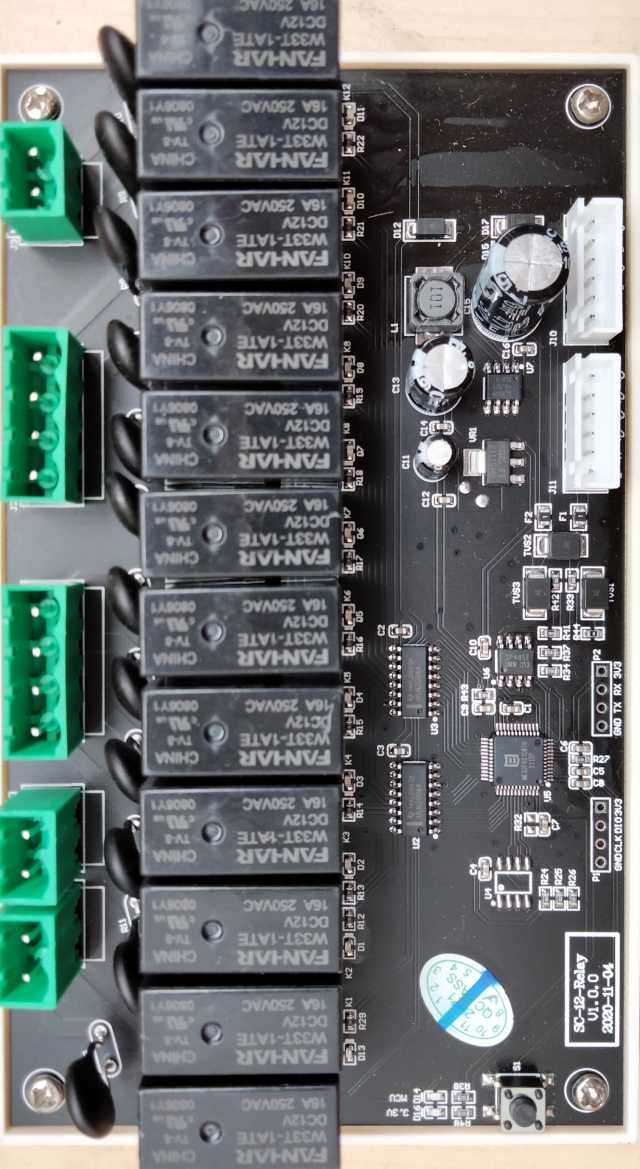
Four channels are the common baseline for a standard room; eight and twelve channels reduce module count and enclosure space but enlarge the impact of a single module failure — group frequently used lighting separately from low-use circuits. Published relay ratings are resistive-load values. Motor and some energy-saving lamp loads need derating plus RC suppression, or contacts will weld early. Curtain motors are inductive: allow for stall current and confirm the motor has its own end-limit switch, otherwise the module must provide one. Where relay click is audible in a quiet suite, an SSR is an option, at the cost of heat and price.
What must stay on permanent power
Controlled sockets can be switched on departure, but minibars, fridges and in-room safes must bypass them. An IR blaster is a compatibility tool for legacy appliances — it sends commands blindly and cannot read back state, so new equipment should use an addressable module. Door locks always keep a mechanical key override for power or network failure.
Sources and field note
These checks are compiled from HOTEKEY engineering commissioning notes written while specifying, wiring and troubleshooting guest room control hardware. Photographs show our own modules and enclosure layouts. Electrical stress figures on this site are design and verification targets used in hardware development; they are not certification claims. For project-specific values, request the current datasheet from our engineering team.
- Can a wall panel switch a lighting circuit directly?
- No. Bus-powered wall panels carry signal and bus power only; the load is switched by a relay or dimmer module in the low-voltage enclosure. Map each scene key to the room scene table and leave spare keys unmapped.
- Why does a relay rating need derating?
- Published relay ratings are for resistive loads. Motors and some energy-saving lamps draw inrush current, so we derate the contact and fit RC suppression; otherwise contacts weld or fail early.
- Does the knob thermostat need the cloud?
- No. It controls temperature locally and keeps working during a network outage, but it cannot report to the room service centre. Confirm relay versus 0-10 V output before pairing it with a fan-coil module.
- Which circuits must not be switched off on guest departure?
- Permanent loads such as minibars and in-room safes must bypass the controlled socket. Card-power drop-off is also sequenced with HVAC and lighting to avoid a visible lamp flicker.