
1. RS-485 topology, addressing and segregation
Wire the bus as a daisy chain, plan every device address by hand and never duplicate one, and fit the termination resistor at the bus end. Run the gateway-to-enclosure cable in a separate slot from power cabling so surges do not couple into the bus. Our PW and SC gateway series do not share a protocol — on a retrofit, identify the installed series first or modules will appear offline.
2. Size the 12 V supply for a warm enclosure
Central 12 V supply sizing is online panels × static draw, plus relay inrush current. In a closed low-voltage enclosure the temperature rise is real: we keep the loading at or below about 70% of the supply rating and leave cooling clearance between modules. PW-12V and SC-12V supplies look electrically similar but differ in output channels and protection behaviour — mixing them causes intermittent panel dropout, so purchase by series as a matched set.
3. Keep thermostat and dimmer supplies distinct
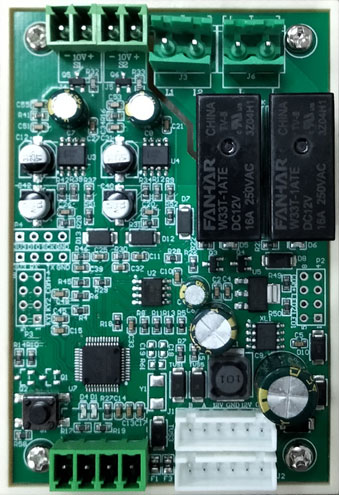
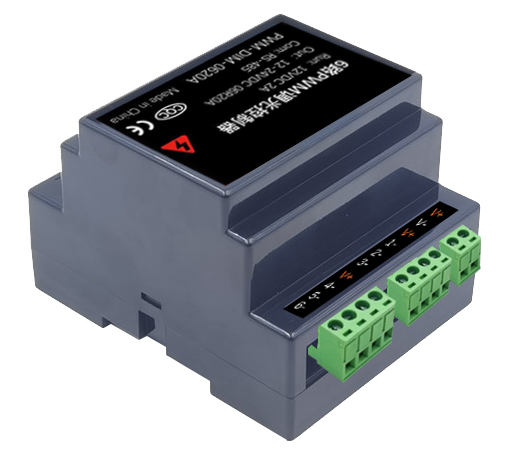
A 24 V thermostat supply is separate from the panel supply. A 0-10 V dimmer only controls ballast input current and still needs a relay to isolate the mains feed; check minimum load and LED compatibility or low dim levels will flicker or fail to strike. PWM dimming requires a driver that accepts PWM input — non-dimmable fixtures must be on their own circuit.
4. Dry-contact semantics are configuration, not wiring alone
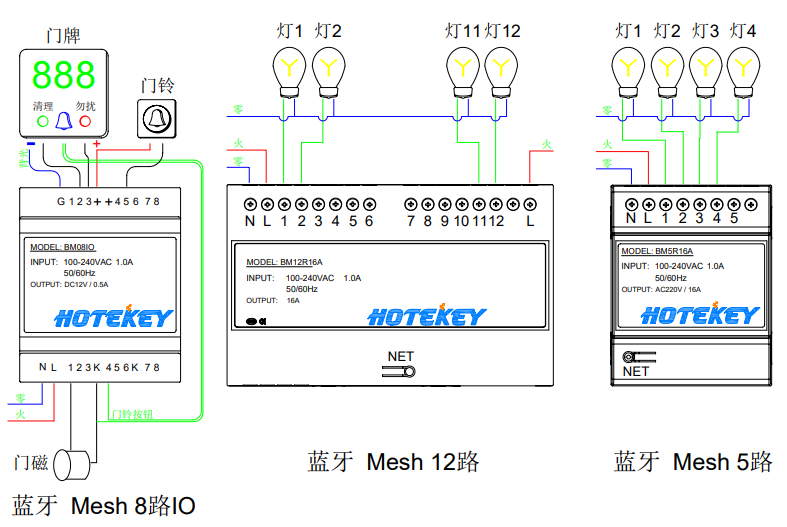
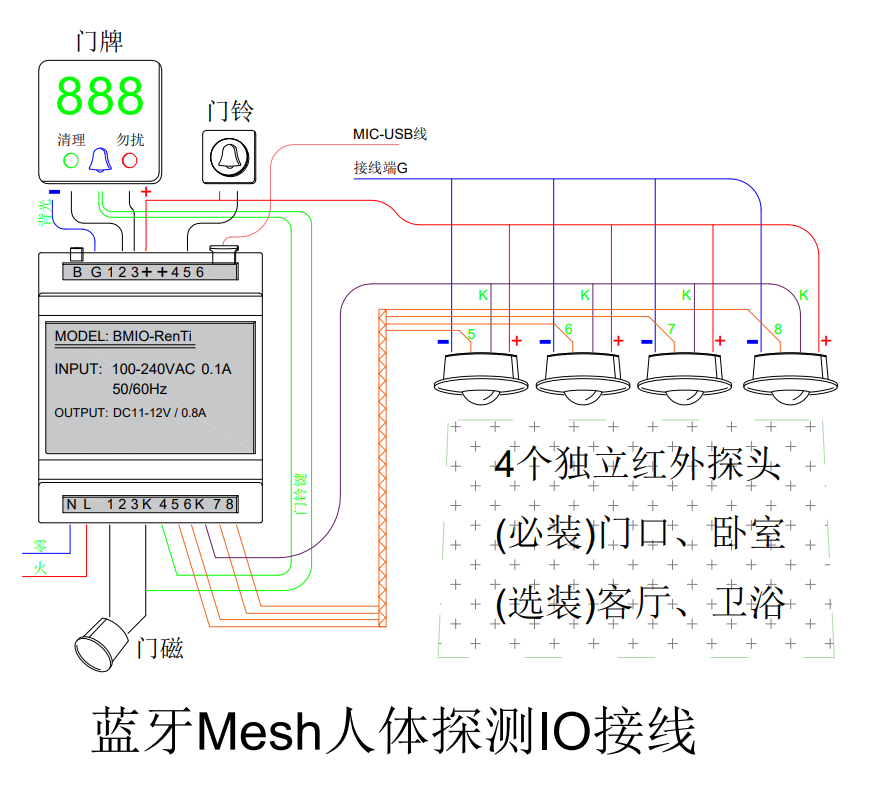
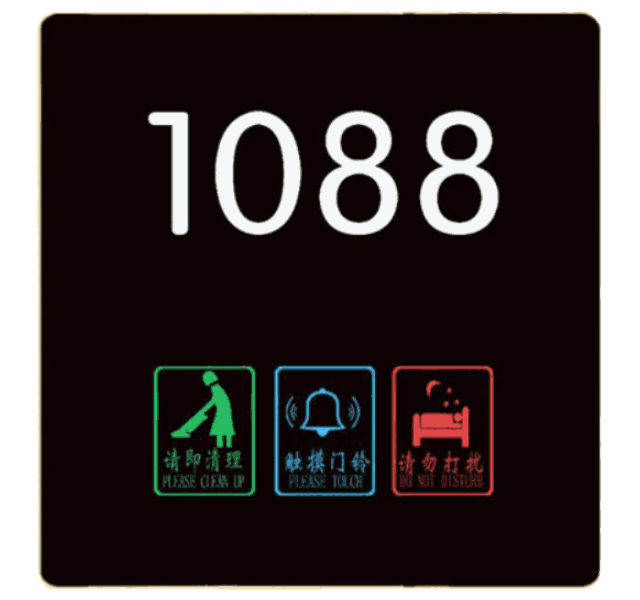
Dry-contact IO needs an external pull-up or pull-down, and normally-open / normally-closed semantics may be inverted relative to the system state. When a door sign and doorbell share one IO, map the state explicitly so a knock does not display "do not disturb". Doorbell and SOS are different events: night-time DND must never suppress SOS.
5. Enclosure layout is a reliability decision
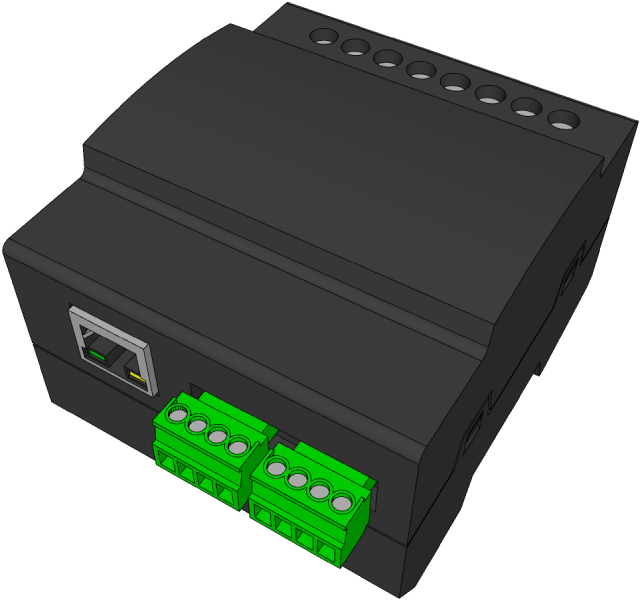
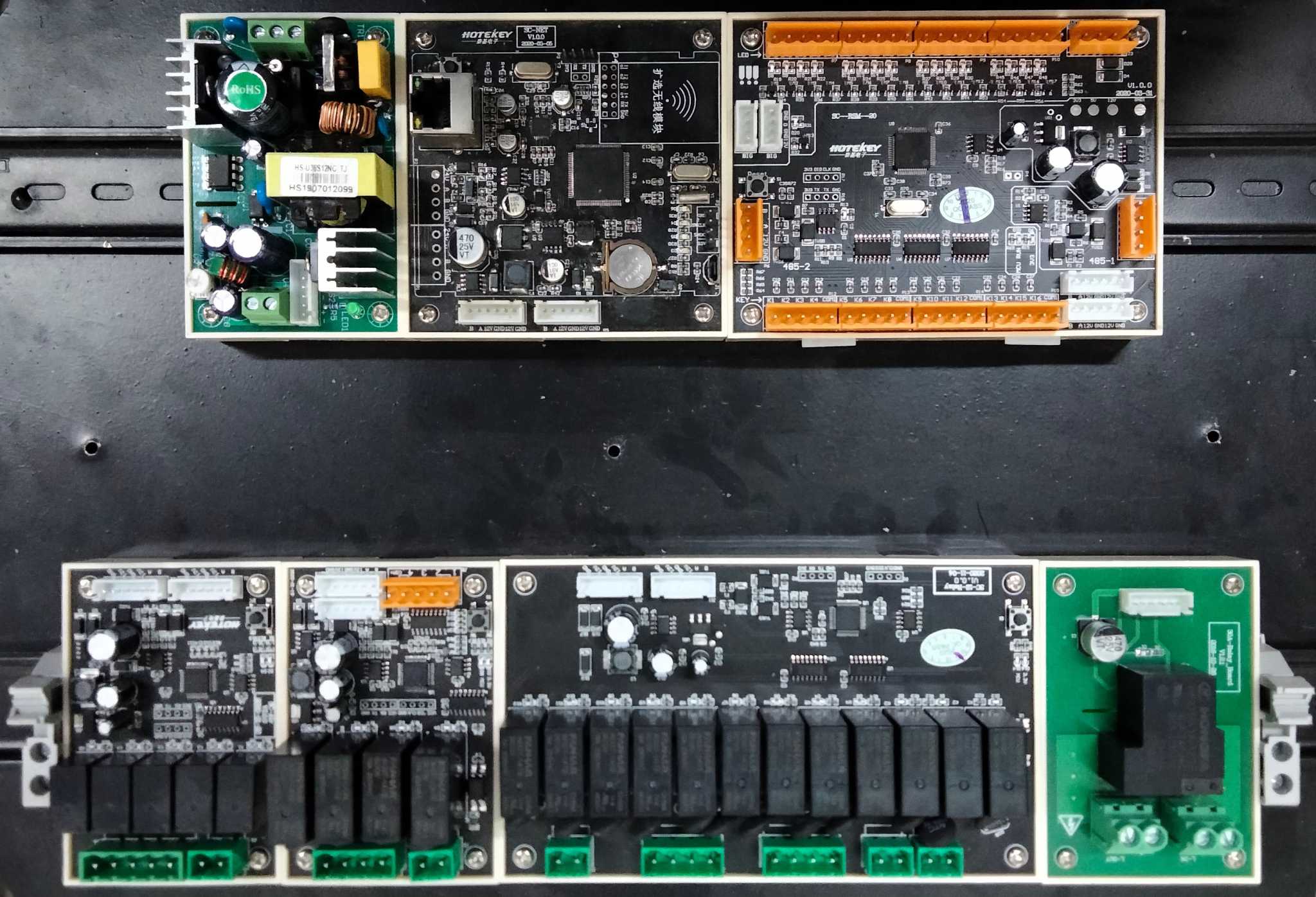
Leave bend radius for power and network cables and size the DIN rail for the actual total module weight. A twelve-channel relay module runs hotter at full load; a fully integrated box reduces the number of modules but makes one failure affect more circuits, so keep an independent backup circuit. Mixed loads — motor, dimming and relay — are easier to troubleshoot when they sit in separate modules.
Sources and field note
These checks are compiled from HOTEKEY engineering commissioning notes written while specifying, wiring and troubleshooting guest room control hardware. Photographs show our own modules and enclosure layouts. Electrical stress figures on this site are design and verification targets used in hardware development; they are not certification claims. For project-specific values, request the current datasheet from our engineering team.
- Why do RS-485 devices go offline after a retrofit?
- The most common cause is mixing our PW and SC gateway series: their protocols are not interoperable. Also check for duplicate addresses, a missing end-of-line termination and bus cable sharing a slot with power cabling.
- How much headroom should a 12 V central supply have?
- We size for online panels × static draw plus relay inrush, then keep loading at or below about 70% of the supply rating because a closed enclosure runs warm. Leave physical cooling clearance as well.
- Does a 0-10 V dimmer remove the need for a relay?
- No. It controls the ballast input only. A separate relay is still needed to isolate the mains feed, and minimum load plus LED compatibility must be checked to avoid flicker at low levels.
- Can DND mode suppress an SOS call?
- It must not. Doorbell and SOS are separate events with different priorities; when IO is shared, the event source has to be distinguished in configuration so night-time DND only affects the doorbell.